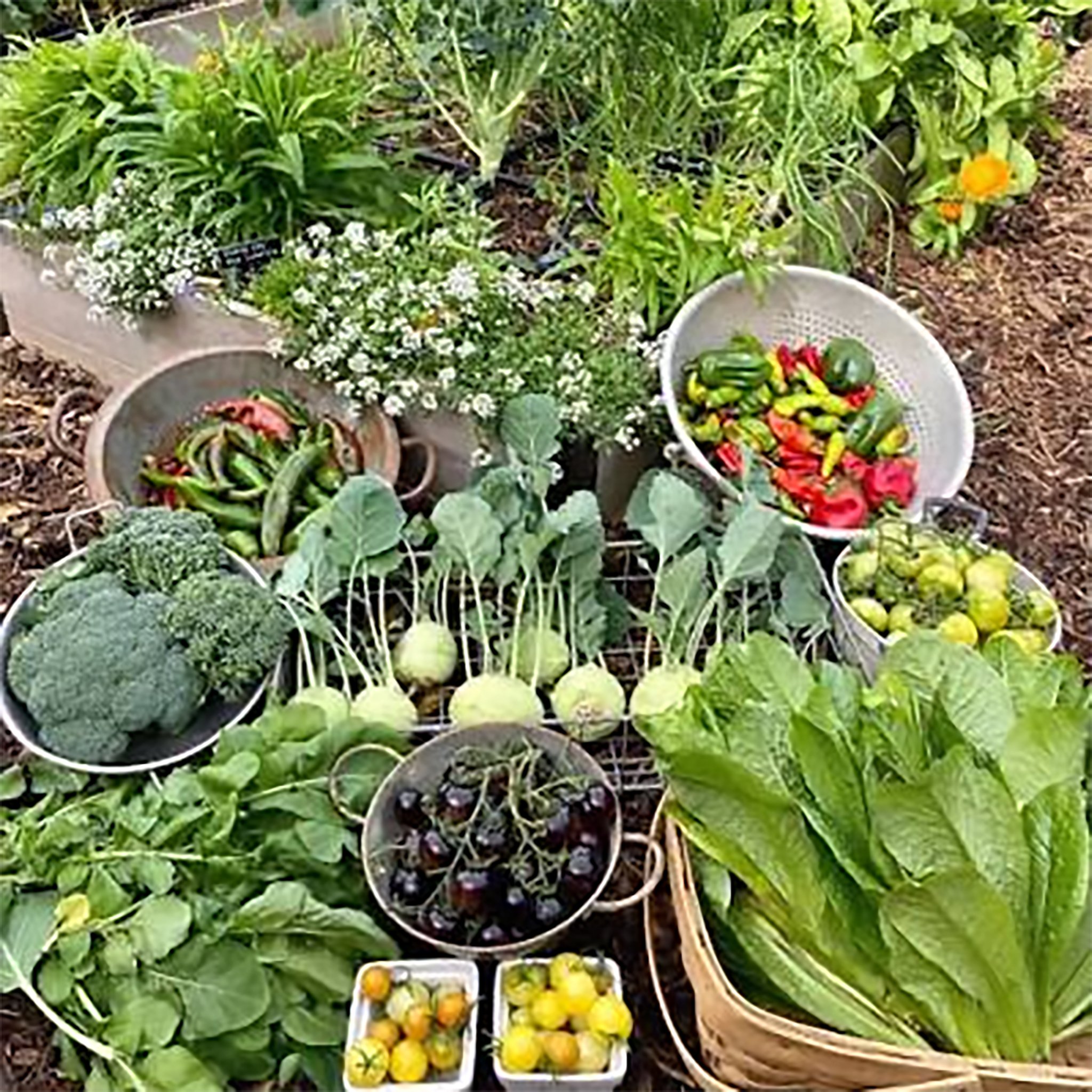
The Two Planting Seasons of the Southwest: Grow More While Using Less Water
Gardening in the Southwest requires a different approach from gardening in much of the country. While many gardeners across the United States plant in spring and harvest through summer, gardeners in the Southwest often work with two distinct planting seasons. Instead of one continuous growing season, the Southwest has a cool season and a warm season, separated in many low-elevation areas by the intense heat of summer. Understanding these two seasons is one of the best ways to create a productive garden while conserving water. Rather than forcing plants to grow when temperatures are extreme, Southwest gardeners can work with the climate—planting crops when conditions are naturally most favorable and choosing plants that require less supplemental irrigation.
The Southwest's Two Growing Seasons
Exact planting dates vary with elevation and location, but the basic pattern is similar across much of the region.
The Cool Season: The cool-season garden generally begins in late summer or fall as temperatures begin to decline. In many low-desert areas, September and October mark the transition into the most productive gardening period of the year. Cool-season crops can continue growing through fall and winter and, in some areas, well into spring.
The Warm Season: The warm-season garden begins as winter temperatures give way to spring. Warm-season vegetables and flowers can be planted once the danger of frost has passed and soil temperatures become warm enough for growth. As summer temperatures climb, however, gardening becomes increasingly difficult in the low desert. Some plants stop producing, while others require substantially more irrigation to survive the heat. This is where the Southwest differs dramatically from many other parts of the country.
The hottest months are not necessarily the best growing months. For water-conscious gardeners, that distinction is important.
Season One: The Cool-Season Garden – Fall Through Spring
For many Southwest gardeners, fall is the beginning of the primary cool-season planting period. After months of extreme heat, cooler temperatures provide a welcome change for both gardeners and plants. Soil can still be warm enough for seeds to germinate, while cooler air reduces heat stress and water loss. This makes fall an excellent time to establish vegetables, herbs, flowers, and perennial landscape plants.
Cool-Season Vegetables
Some of the best choices include:
Beets
Broccoli
Cabbage
Carrots
Cauliflower
Garlic
Kale
Lettuce
Mustard greens
Onions
Peas
Radishes
Spinach
Swiss chard
Turnips
These crops are naturally suited to cooler temperatures and can be much easier to grow during the Southwest's mild winter months than during summer.
Cool-Season Herbs
Herbs can also thrive during this season. Try:
Chives
Cilantro
Dill
Mint
Parsley
Cilantro is particularly well suited to cooler weather and often performs poorly once temperatures become hot.
Fall Is Also Wildflower Season
Fall isn't just for vegetables. It is also an excellent time to plant many native and Southwest-adapted wildflowers. Depending on your location, possibilities include:
Desert bluebells
Desert marigold
Globe mallow
Indian blanket
Lupines
Penstemons
Poppies
Native wildflower mixes
In areas that receive winter precipitation, fall-sown seeds can take advantage of seasonal moisture and cooler temperatures. Many remain dormant until conditions are right for germination. The result can be a spectacular spring display without relying entirely on irrigation. A garden that uses natural rainfall is a water-wise garden.
Season Two: The Warm-Season Garden – Spring Through Early Summer
As winter comes to an end, the Southwest garden begins another transformation. The cool-season vegetables gradually give way to plants that thrive in warmer weather. Depending on elevation and local frost dates, spring is the time to plant:
Basil
Beans
Corn
Cucumbers
Eggplant
Melons
Okra
Peppers
Squash
Sweet potatoes
Tomatoes
These plants need warmth to grow, but timing is critical. Plant too early, and cold nights or frost can damage young plants. Plant too late, and seedlings may have only a short period to establish themselves before extreme summer temperatures arrive. In the Southwest, planting at the right time can be a water-saving strategy. A plant that becomes well established during favorable weather is generally better prepared to withstand the heat that follows.
The Summer Pause
In many low-elevation parts of the Southwest, summer creates a unique challenge. Temperatures can climb above 100°F, humidity can remain very low, and intense sunlight can rapidly dry both soil and plants. This doesn't mean that nothing can grow. Heat-loving crops such as okra, certain beans, melons, sweet potatoes, and some squash varieties can tolerate summer conditions. But for many gardeners, the extreme heat represents a natural pause between the two major planting seasons. Rather than trying to maintain a water-intensive garden through the hottest part of the year, gardeners can reduce their irrigation needs by:
Choosing heat- and drought-adapted plants
Allowing cool-season crops to finish before extreme heat
Avoiding unnecessary summer plantings
Using shade where appropriate
Mulching garden beds
Adjusting irrigation to actual plant needs
This approach can save both water and frustration.
Planting for Water Conservation
The two-season system gives Southwest gardeners an important advantage: we can choose when plants need water. Cool-season crops can grow during months when temperatures are lower and evaporation is reduced. Warm-season crops can be planted when they are naturally suited to increasing temperatures. And drought-adapted landscape plants can be selected for their ability to survive the Southwest's hottest months with relatively little supplemental water once established. Instead of asking, “How can I keep this plant alive all year?” ask: “When does this plant naturally want to grow?” That simple question can transform the way you garden.
Choose Plants That Match the Season
One of the easiest ways to waste water is to grow plants outside their preferred season. A cool-season vegetable struggling through 110°F summer temperatures may require constant irrigation and still fail to thrive. Likewise, a warm-season crop planted too early may struggle in cold soil and require extra care. Choosing plants that naturally match the current season reduces stress and often reduces the amount of supplemental water they need. This is particularly important for annual vegetable gardens, where gardeners have the opportunity to change what they grow throughout the year.
Perennial Plants Are Different
The two-season approach also applies to landscape plants, but perennial plants require a slightly different strategy. Cacti, agaves, yuccas, desert shrubs, native perennials, and drought-adapted trees can remain in the landscape year-round. For these plants, establishment is the most water-sensitive period. Fall and spring are often excellent times to plant because cooler conditions allow roots to develop before the arrival of extreme heat. Newly planted drought-tolerant plants still need regular irrigation while they establish. Once their root systems are developed, however, many can survive with considerably less supplemental water. Remember: Drought tolerant does not mean drought proof—especially when a plant is newly planted.
Make Every Drop Count
When irrigation is necessary, use it efficiently.
Drip Irrigation: Drip irrigation delivers water near the plant's root zone and can reduce water lost to evaporation and wind compared with less targeted methods.
Mulch: Mulch helps shade the soil, reduce evaporation, suppress weeds, and moderate soil temperatures.
Water at the Right Time: Watering during the cooler parts of the day can reduce evaporation. Adjust irrigation seasonally rather than using the same schedule throughout the year.
Watch the Weather: If rainfall provides enough moisture, turn irrigation off. A water-wise garden doesn't follow a timer blindly. It responds to what plants and soil actually need. Let Rainfall Do Some of the Work – Southwest rainfall may be unpredictable, but seasonal storms can provide valuable moisture. Landscape features such as basins, berms, swales, and rain gardens can help slow runoff and allow more water to soak into the soil. Even a simple landscape can be designed so that rainwater flows toward plants rather than immediately running off the property. Every drop that soaks into the soil is a drop your irrigation system may not have to provide.
It's about growing smarter. By following the natural rhythm of the Southwest's two planting seasons, gardeners can grow vegetables, herbs, flowers, and beautiful landscapes while using less of the water our region cannot afford to waste.